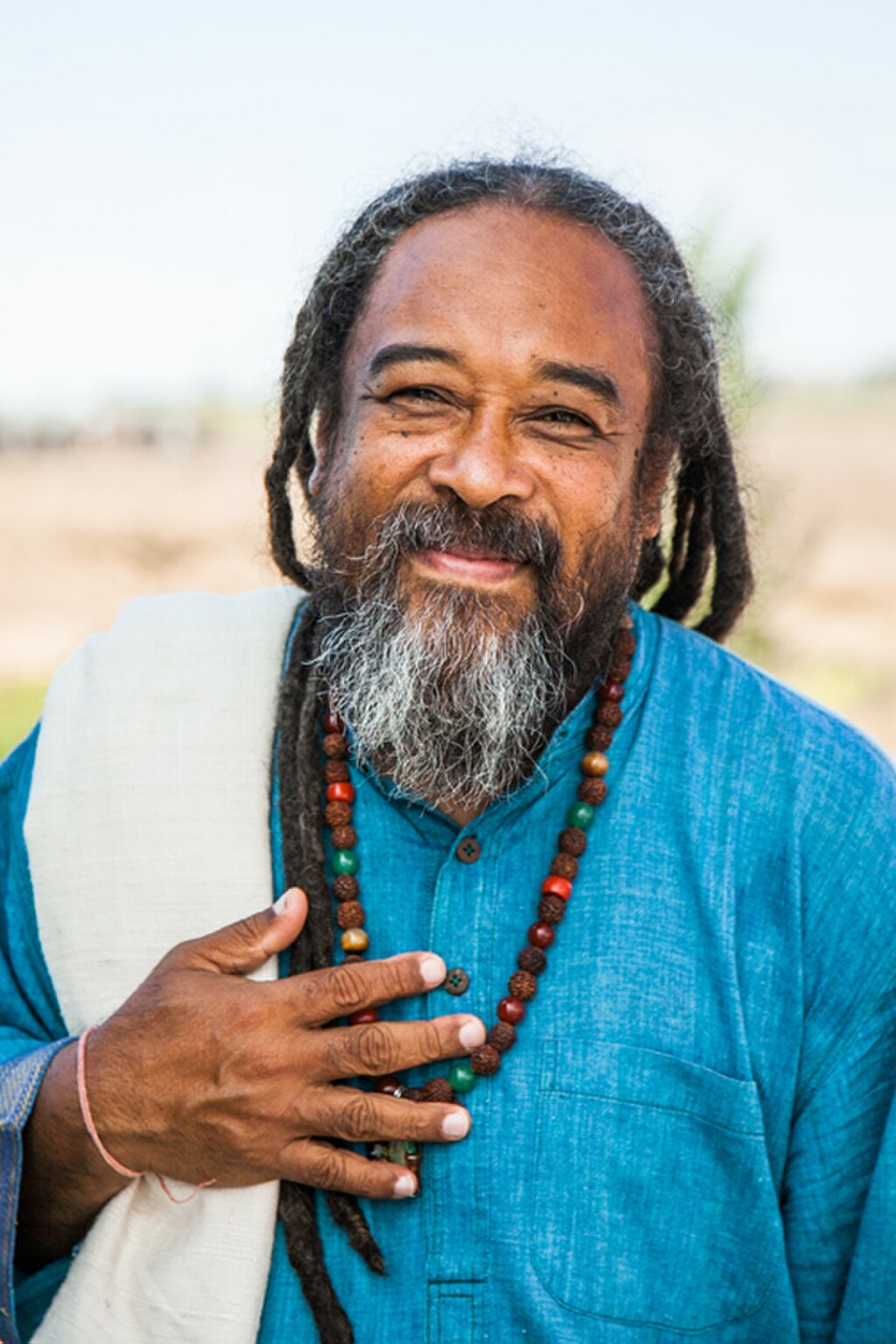
The Essence of Changelessness: A Journey into Identity
"You are the changeless." In this profound statement, Mooji invites us to explore the essence of our being, suggesting that beneath the tumult of our thoughts, emotions, and experiences lies an unchanging core. This assertion is not merely philosophical; it is a call to recognize the deeper truth of our identity, one that transcends the transient nature of life. Understanding this changeless aspect of ourselves is crucial, as it offers a refuge amidst the chaos of existence and a pathway to inner peace.
To grasp the significance of Mooji's words, we must delve into the implications of being "changeless." In a world characterized by constant flux—where identities shift, relationships evolve, and circumstances change—Mooji's assertion serves as a grounding reminder of our true nature. It challenges us to look beyond the surface of our lives and to connect with the deeper reality that remains unaffected by external conditions. This exploration is not just an intellectual exercise; it is a transformative journey that can lead to profound self-discovery and liberation.
The image / the metaphor
The phrase "You are the changeless" evokes a powerful image of stability amidst the storm. The word "changeless" suggests a state of being that is untouched by the fluctuations of life, a sanctuary of stillness that exists within each of us. This imagery resonates deeply, as it contrasts sharply with the often chaotic nature of our thoughts and emotions. Mooji's choice of words invites us to feel this stillness, to sense the quiet presence that lies beneath our ever-changing experiences.
In the speaker's tradition
Mooji's teaching is rooted in the non-dual tradition, which emphasizes the unity of all existence and the interconnectedness of self and the universe. Concepts such as *sunyata* (emptiness) and *fana* (annihilation of the self) resonate with the idea of changelessness, suggesting that our true nature is not separate from the whole. In this context, the changeless essence of our being is seen as the ultimate reality, a state of pure awareness that transcends the dualities of life.
In the *Upanishads*, ancient texts that explore the nature of reality and self, we find echoes of Mooji's assertion. The *Tat Tvam Asi* (That Thou Art) principle encapsulates the idea that our individual essence is not distinct from the universal essence. This profound realization invites us to recognize that our changeless nature is not merely personal but is part of the greater tapestry of existence, urging us to dissolve the illusion of separateness and embrace our inherent unity.
Living the teaching
Consider a modern scenario where this teaching can be applied: a person facing a significant life change, such as a job loss or a relationship ending. In such moments, it is easy to become engulfed by feelings of uncertainty and fear. However, by remembering Mooji's words, one can pause and reconnect with the changeless aspect of their being. This perspective allows them to navigate the storm of emotions with greater clarity, recognizing that while circumstances may change, their true essence remains intact and unshaken.
Another application of this teaching can be found in interpersonal relationships. When conflicts arise, it is common to identify strongly with our roles and reactions, leading to misunderstandings and hurt feelings. By embracing the idea of being changeless, we can cultivate a sense of compassion and understanding, recognizing that beneath the surface of our disagreements lies a shared essence. This awareness can transform how we engage with others, fostering deeper connections rooted in the recognition of our common humanity.
A reflection
As we contemplate Mooji's profound statement, we are invited to reflect on our own experiences of change and stability. What does it mean for you to recognize that you are the changeless? In moments of turmoil or uncertainty, how can you reconnect with the deeper essence of your being? This inquiry not only deepens our understanding of ourselves but also opens the door to a more profound sense of peace and acceptance in our lives.



Join the BrightStar Community
Stay connected with daily inspiration, event announcements, and community wisdom