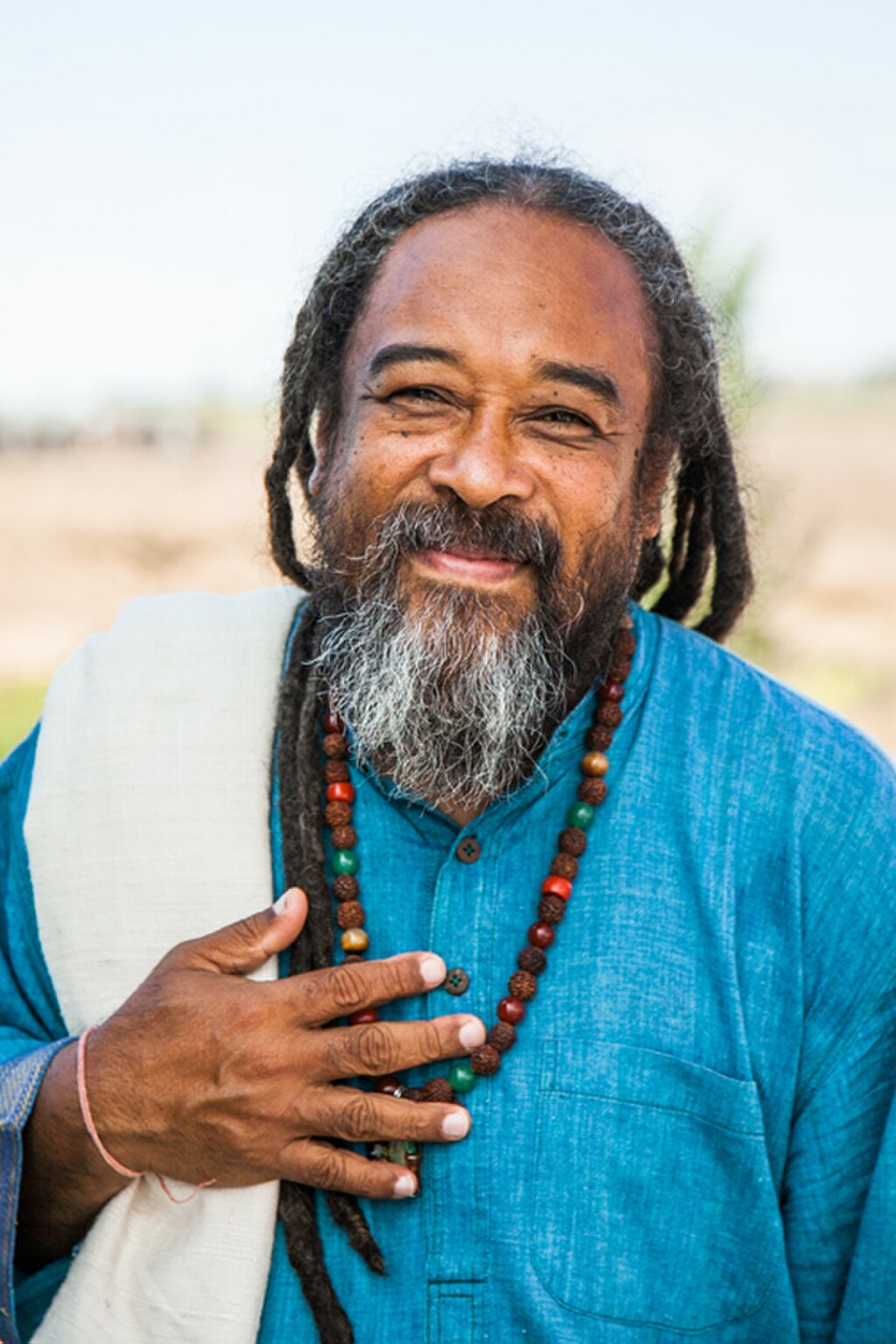
The Unwounded Essence: Discovering Wholeness in Non-Duality
Mooji's assertion that "Your true nature has never been wounded" invites us to explore the profound depths of our being, suggesting that beneath the layers of experience and suffering lies an untouched essence. This statement challenges the pervasive belief that our identities are shaped by trauma, loss, and emotional scars. By recognizing our inherent wholeness, we can begin to navigate life with a sense of liberation and authenticity, unencumbered by the burdens of past wounds.
This perspective is not merely a comforting notion; it is a radical invitation to shift our understanding of self. In a world that often equates worth with suffering, Mooji's words serve as a reminder that our true nature is not defined by external circumstances or internal narratives of pain. Instead, it beckons us to reconnect with the essence of who we are, a state of being that remains unblemished and whole, regardless of the trials we face.
The image / the metaphor
The imagery in Mooji's quote evokes a sense of purity and resilience. The phrase "true nature" suggests an intrinsic quality that exists beyond the transient experiences of life. The verb "has never been wounded" implies a timelessness, a state of being that is untouched by the vicissitudes of existence. This language paints a picture of a core self that is eternal, inviting us to look beyond the surface of our experiences and to recognize the unscathed essence that resides within.
In the speaker's tradition
Mooji's teachings are rooted in the non-dual tradition, which emphasizes the interconnectedness of all existence and the realization of one's true self beyond the illusion of separation. Concepts such as *sunyata* (emptiness) and *fana* (annihilation of the self) resonate with the idea that our perceived wounds are constructs of the mind, rather than reflections of our true essence. In this light, the notion of an unwounded self aligns with the understanding that our identities are often shaped by societal narratives and personal stories that obscure our inherent wholeness.
In the context of non-duality, we can draw parallels with the teachings found in texts such as the *Upanishads*, which explore the nature of the self as *Brahman*, the ultimate reality that is unchanging and eternal. The *Bhagavad Gita* also echoes this sentiment, emphasizing the importance of recognizing the eternal soul, or *Atman*, that transcends the physical body and its experiences. These texts collectively affirm that our true nature is not only unwounded but also fundamentally divine and interconnected with the cosmos.
Living the teaching
Consider a modern scenario where an individual grapples with the aftermath of a painful breakup. The emotional turmoil may lead them to believe they are irrevocably damaged, carrying the weight of their heartache into future relationships. However, by embracing Mooji's teaching, they can begin to recognize that their essence remains intact, untouched by the wounds of the past. This realization can empower them to approach new connections with openness and vulnerability, free from the shackles of previous pain.
In another context, imagine a person facing a challenging work environment filled with criticism and pressure. They may internalize these experiences, feeling inadequate or unworthy. Yet, by reflecting on the idea that their true nature has never been wounded, they can cultivate resilience and self-acceptance. This perspective allows them to navigate their professional life with a sense of confidence rooted in their unblemished essence, rather than being defined by external judgments or setbacks.
A reflection
As we contemplate Mooji's profound assertion, we are invited to explore the depths of our own being. What does it mean to you that your true nature has never been wounded? In moments of struggle or self-doubt, how might you reconnect with the essence of who you are, untouched by the experiences that life presents? This inquiry can serve as a guiding light, illuminating the path toward a deeper understanding of our inherent wholeness.

Join the BrightStar Community
Stay connected with daily inspiration, event announcements, and community wisdom