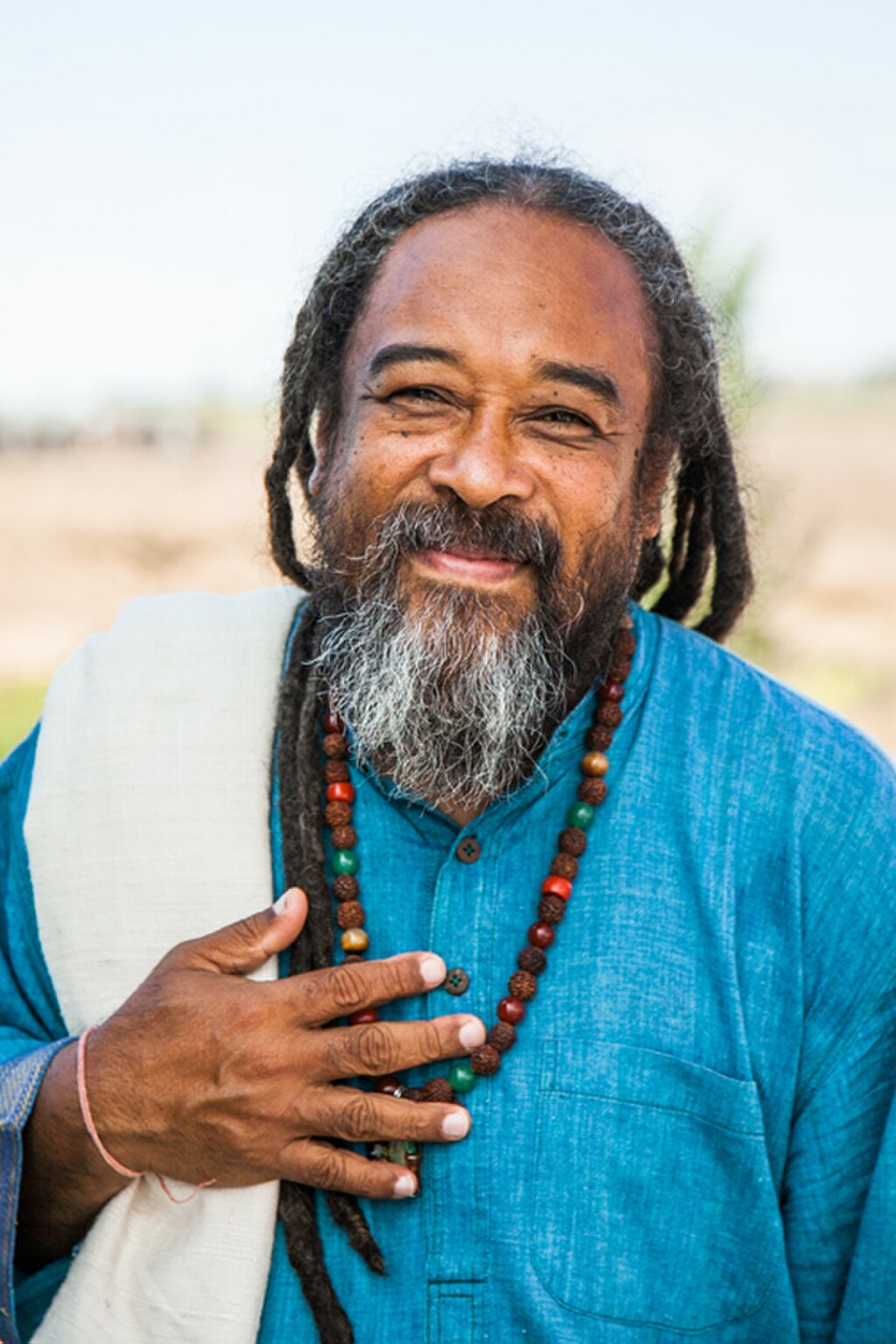
The Paradox of Self-Knowledge
In the profound words of Mooji, "To know yourself is to forget yourself." This statement invites us into a paradox that challenges our conventional understanding of identity and self-awareness. It suggests that true self-knowledge transcends the ego, urging us to let go of the very constructs we often cling to as our essence. The stakes of this teaching are high; in a world where self-identity is frequently tied to external validations and personal narratives, Mooji's insight calls us to a deeper exploration of what it means to truly know oneself.
As we delve into this quote, we encounter the notion that the self we often think we know is merely a collection of thoughts, memories, and experiences. To forget this constructed self is not to lose our identity but to uncover a more profound truth that lies beneath the surface. This exploration is not merely an intellectual exercise; it is a transformative journey that can lead to liberation from the confines of the ego. Understanding this paradox is essential for anyone seeking a more authentic existence, one that is rooted in the essence of being rather than the transient nature of the self.
The image / the metaphor
The imagery in Mooji's quote evokes a sense of duality, where knowing and forgetting are not oppositional but rather complementary states of being. The verb "know" suggests an active engagement with the self, a process of inquiry and discovery. In contrast, "forget" implies a relinquishing of attachment to the ego and its narratives. This duality invites us to consider that our understanding of self is often clouded by the very thoughts and beliefs we hold dear, and that true clarity emerges when we release these attachments.
In the speaker's tradition
Mooji's teachings are deeply rooted in the non-dual tradition, which emphasizes the interconnectedness of all existence and the illusion of separateness. Concepts such as *sunyata* (emptiness) and *fana* (annihilation of the self) resonate with the essence of his quote. In this context, knowing oneself involves recognizing the transient nature of the ego and the deeper reality of being that lies beyond it. This understanding aligns with the idea of *kenosis*, or self-emptying, which invites practitioners to release their attachments to the self in order to experience a more profound connection with the universe.
In the *Upanishads*, a foundational text in the non-dual tradition, we find echoes of this teaching in the exploration of the self as *Atman*, the true essence of being, which is ultimately one with *Brahman*, the universal consciousness. The *Mandukya Upanishad* states, "The self is the whole universe," suggesting that to know oneself is to recognize one's unity with all that exists. This ancient wisdom reinforces Mooji's assertion that self-knowledge is not a solitary endeavor but a journey toward understanding our place within the greater tapestry of existence.
Living the teaching
Consider a modern scenario where this teaching might resonate: a professional grappling with the pressures of success and recognition. In such a context, the individual may find themselves consumed by the need to project a certain image, leading to stress and anxiety. By embracing Mooji's teaching, they can begin to explore the idea that their worth is not tied to their achievements or the opinions of others. This shift in perspective allows for a more authentic engagement with their work, where creativity and passion can flourish unencumbered by the weight of self-importance.
In relationships, the application of this teaching can be equally transformative. Imagine a couple facing conflict, where each partner is entrenched in their own narrative of right and wrong. By practicing the art of forgetting oneself—setting aside personal grievances and ego-driven desires—they can cultivate a space of empathy and understanding. This shift allows for deeper connection and communication, fostering a relationship that is rooted in love and mutual respect rather than competition and defensiveness. In both scenarios, the act of forgetting the self opens the door to a more profound experience of life, one that is rich with connection and authenticity.
A reflection
As we contemplate Mooji's profound insight, we are invited to reflect on the nature of our own identities. What aspects of ourselves are we clinging to that may be hindering our growth and understanding? In what ways can we practice forgetting the self to uncover a deeper sense of connection with the world around us? These questions serve as a gentle reminder that the journey of self-discovery is not merely about knowing who we are but also about embracing the freedom that comes from letting go.



Join the BrightStar Community
Stay connected with daily inspiration, event announcements, and community wisdom